
Love for Imperfect Things: Practicing Interbeing in Everyday Life
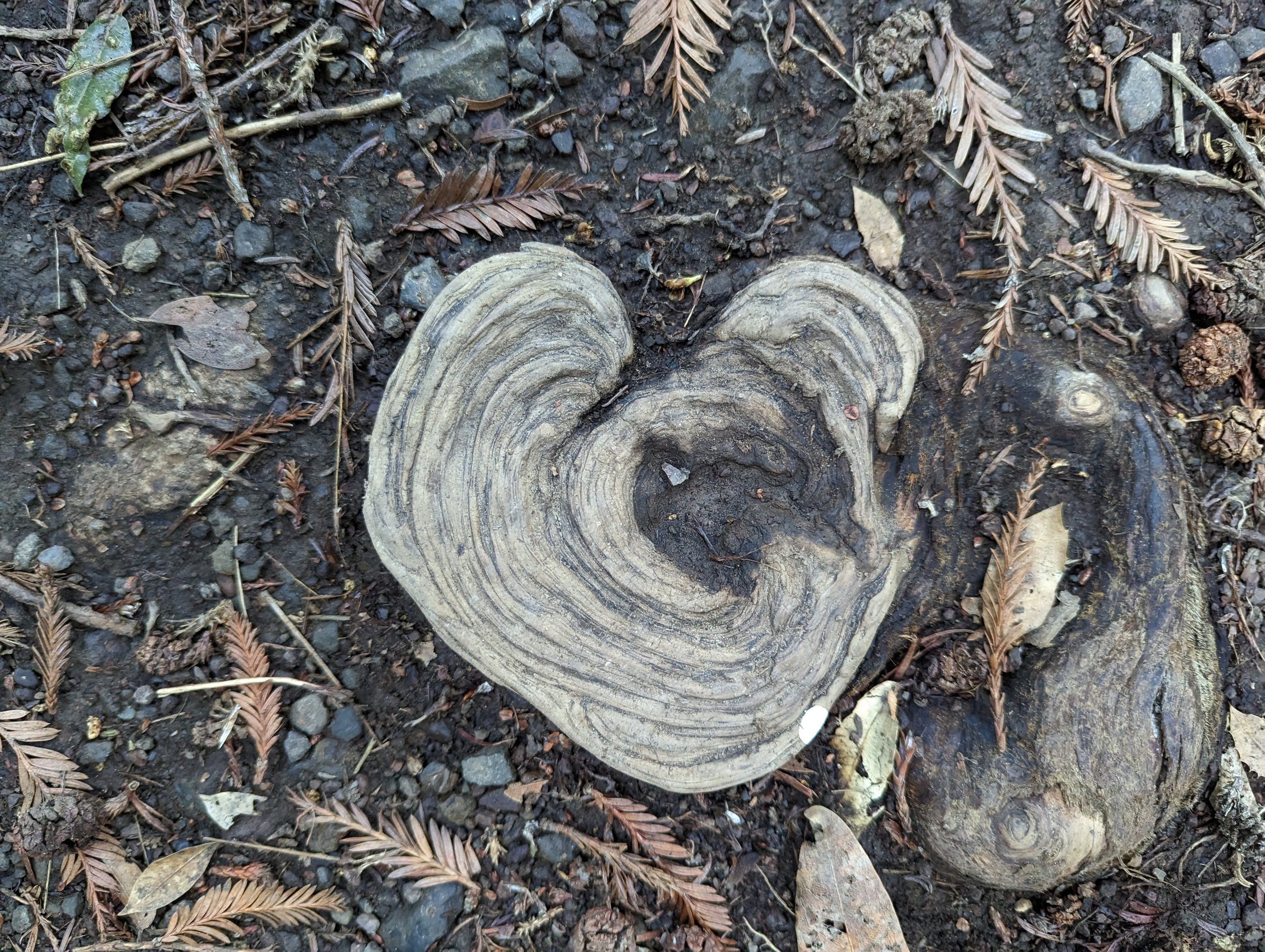
A rock or old tree stump from a recent hike in big sur
At Slow Moves Rox, we explore how slowing down, tuning in, and moving with presence can deepen our connection to ourselves, our community, and the natural beauty around San Luis Obispo and the central coast of California. Haemin Sunim’s book, Love for Imperfect Things, is a gentle companion on this path—offering soulful reminders that our imperfections, and those of others, are not barriers to love but bridges to connection.
The Wisdom of Interbeing
One of the most resonant undercurrents in Love for Imperfect Things is the insight of interbeing—the understanding that we do not exist in isolation, but are deeply intertwined with all of life. Whether you're walking through the oak groves of Bishop Peak or hitting the waves at sunrise, this truth becomes clear: we are not separate from nature, each other, or even the imperfections we try to hide.
Sunim’s message helps us see that when we care for ourselves with gentleness, we create the conditions for deeper compassion toward others. This isn’t just philosophy—it’s practical mindfulness.
Here are a few takeaways from the book that align beautifully with the slow, mindful living we practice here on the Central Coast:
Self-Compassion is Not Self-Indulgence
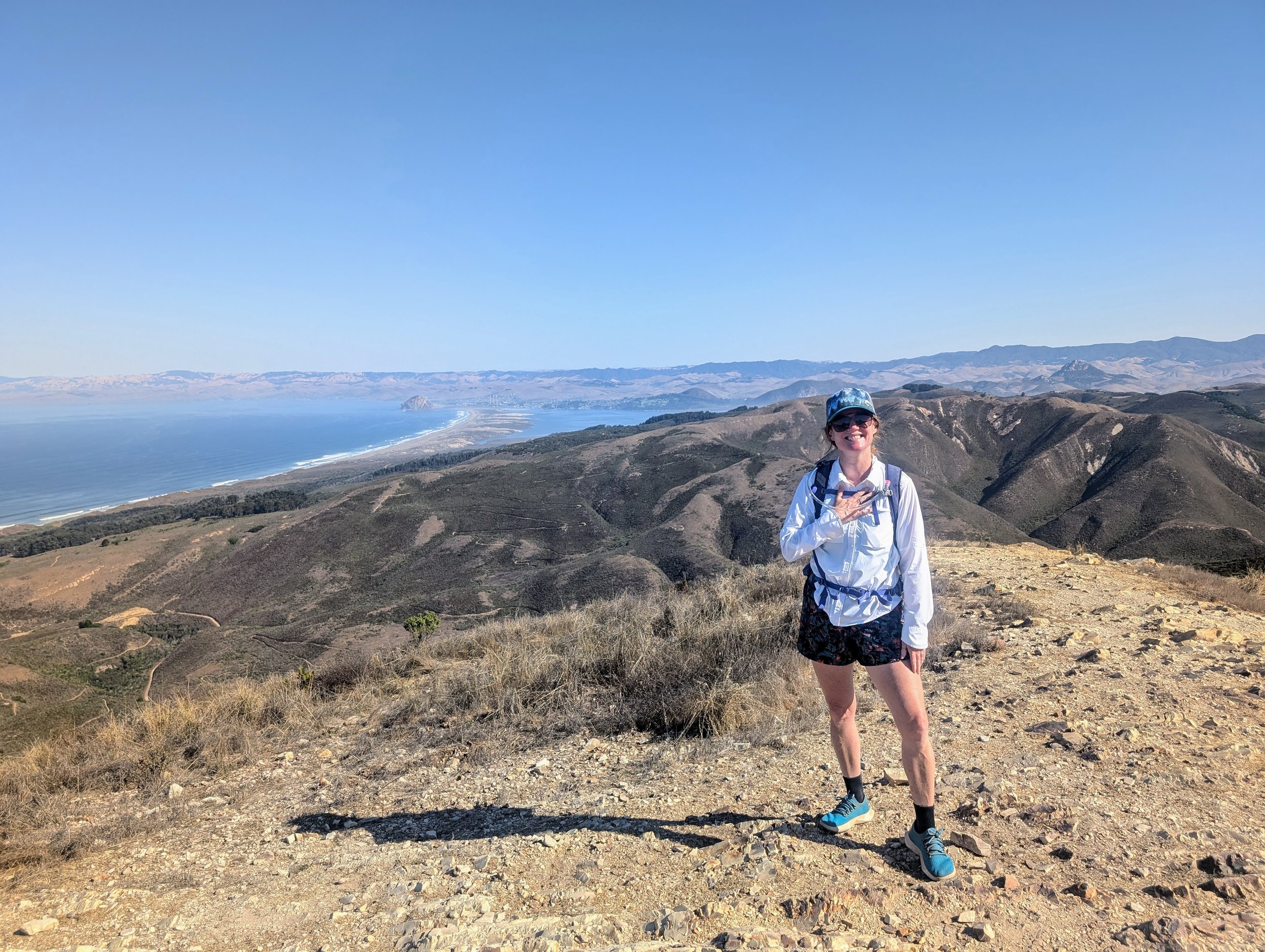
Me practicing self care after my dad died recently
Sunim writes: “When you care for yourself first, the world begins to feel more manageable.”
So many of us have internalized the idea that taking care of ourselves is selfish. But in truth, a burnt-out body or a harshly judged heart can’t show up for others with real presence. Self-compassion fuels interbeing. It’s what allows us to serve, to teach, to hold space for others—without resentment or depletion.
Try this: After your next movement class or walk outside, place your hand on your heart and say silently, “I am doing my best. That is enough.” Feel how this softens your energy.
Speak to the Inner Child Who Still Needs You
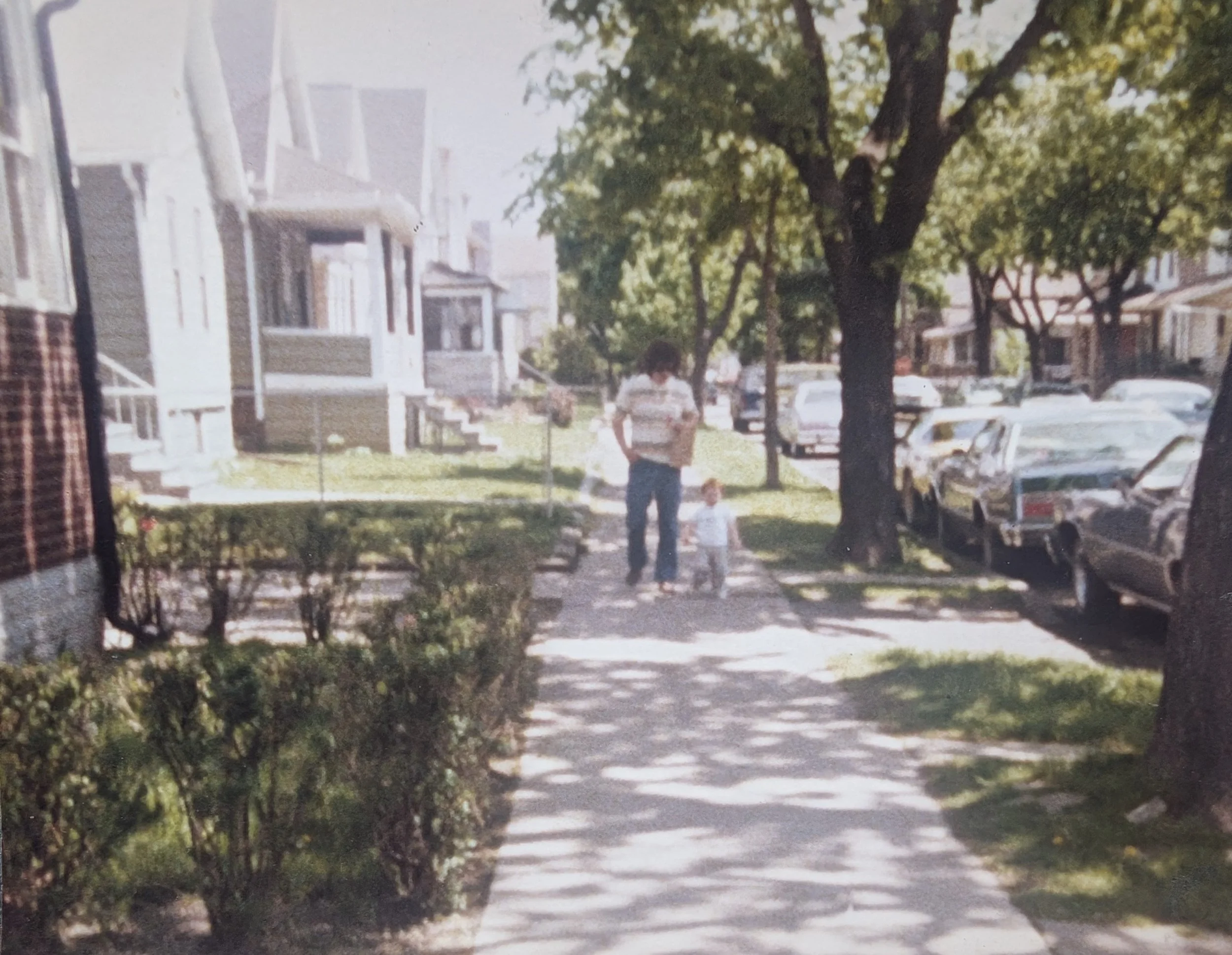
Me with my dad as a wee one. Healing our inner child wounds is such important work.
One of the most powerful practices Sunim offers is the idea of healing through revisiting painful moments from the past—not to dwell, but to listen. To allow that younger version of yourself to finally speak.
He encourages us to go back to a moment or person from our past that still hurts and ask, “What were you feeling then?” Then, write it out in the voice of that child. Let your inner child say everything they were never able to say.
It might sound like:
"I didn’t know why they were yelling. I thought it was my fault. I wanted someone to come and tell me it was okay to be me.” or
“Why don’t you like me? Why are you mad at me? Why can’t you be nicer to me? Why aren’t you here more?”
This practice is emotional, but it is profoundly freeing. I’ve done it a few times with my own journaling and also in more therapy based settings and it felt like a huge release. Try to talk as you would have as a child and maybe even imagine what your loved ones response would be. That small, scared version of you doesn’t need to be erased—she might need to be heard. And when we listen, we no longer act from that wound. We act from awareness, and wholeness. This is interbeing, too—honoring the parts of us we’ve tried to ignore, so we don’t pass that pain on to others.
Be the Rock
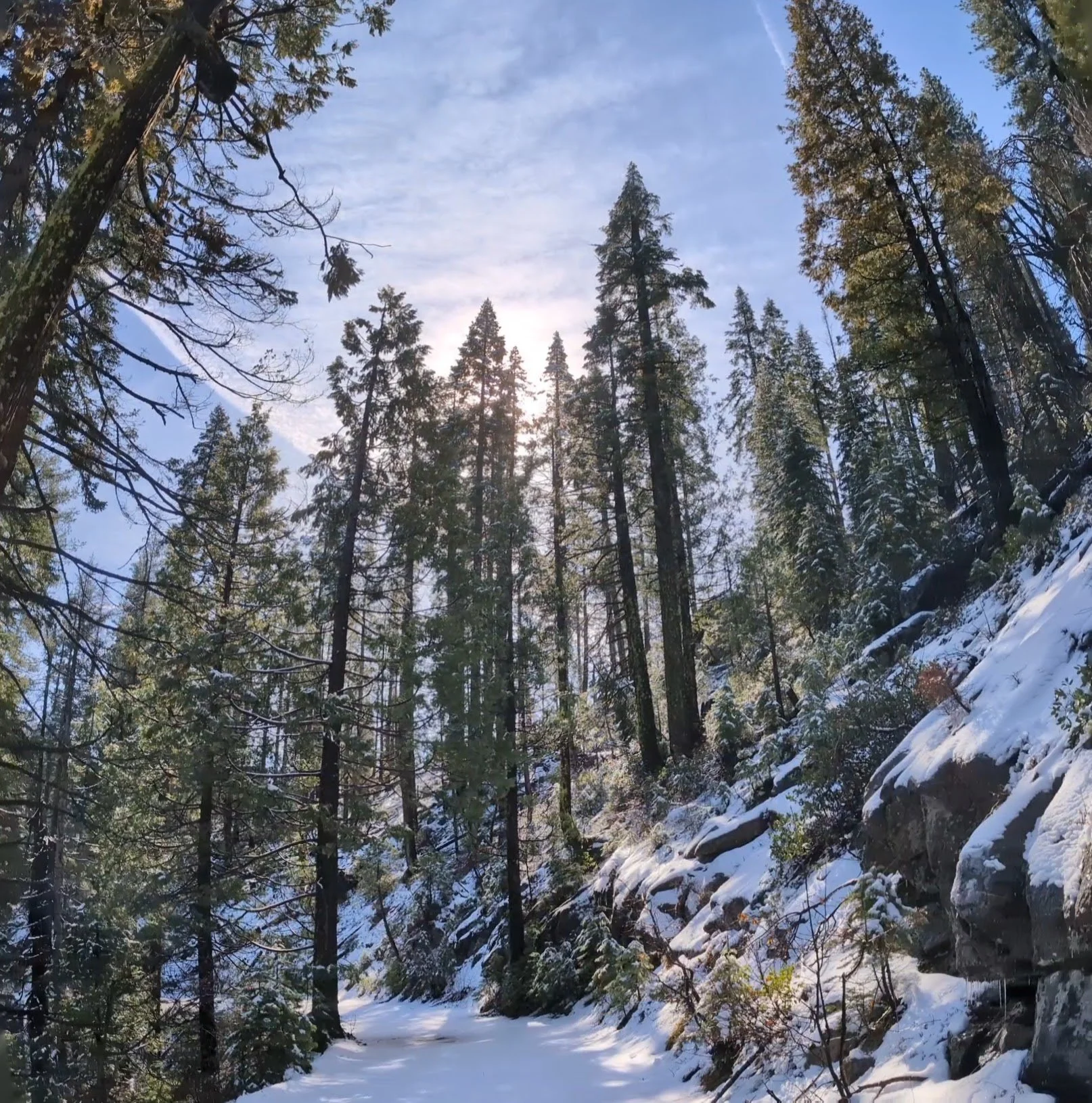
Your roots must be deep to grow tall
One line in the book stood out like a mantra: “If you let the world shake you, the world will keep shaking you.”
There’s something fierce and tender in that teaching. We live in a time where external chaos is the norm—so how do we stay centered? Sunim’s answer isn’t to shut down emotionally, but to become steady from within. To root down like a mountain during a storm.
Being the rock doesn’t mean being hard—it means being grounded. Anchored. When we root in breath, in truth, in self-compassion, we stop letting every distraction, opinion, or disappointment toss us around.
Next time you’re feeling overwhelmed, try standing barefoot in the grass and breathing slowly, whispering: “I am the rock.” Feel your body remember that you have choice. You are not at the mercy of every wave.
The More You Accept, the More You Can Love
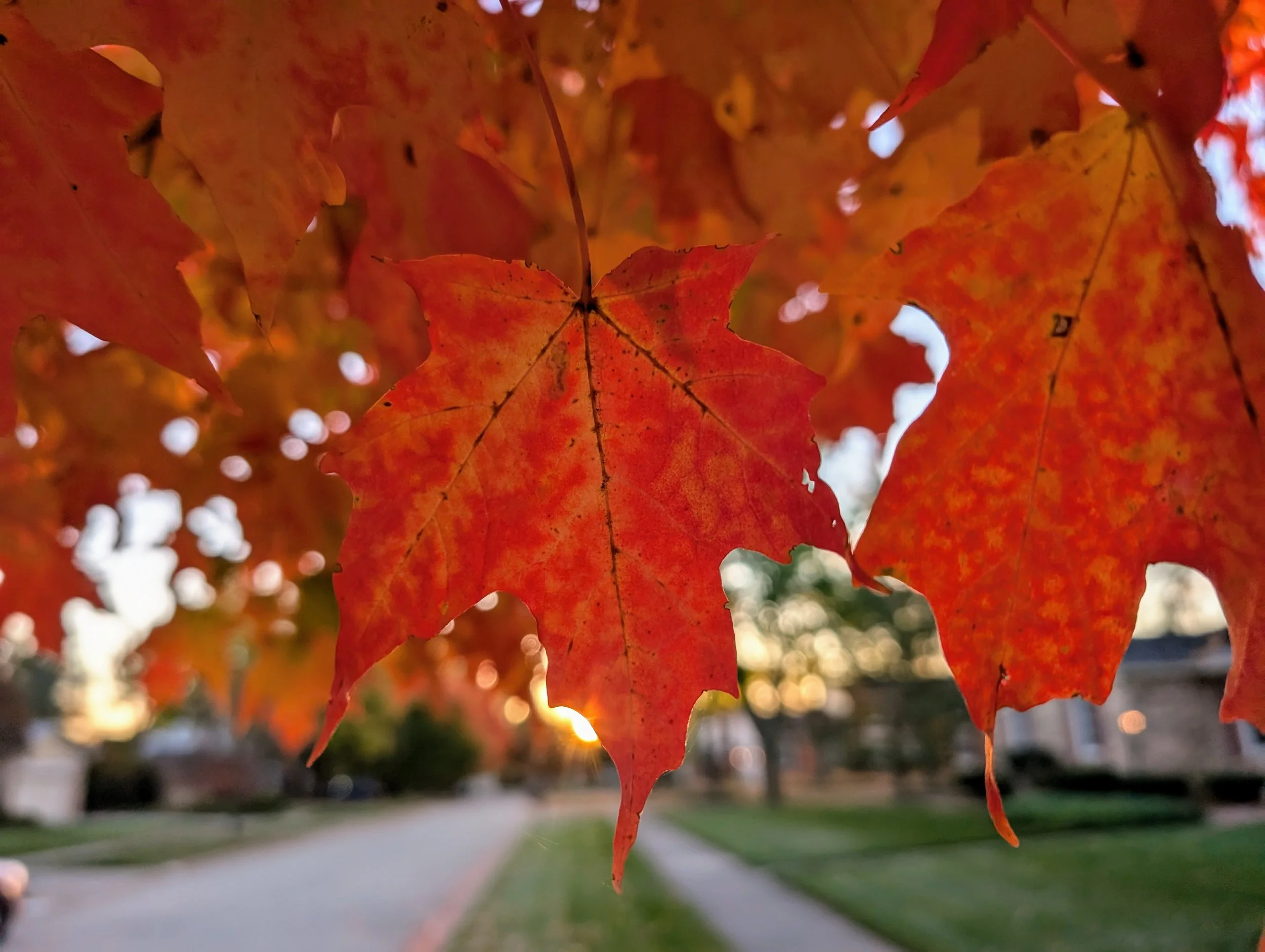
The fall leaves have much to teach us in terms of acceptance
Acceptance isn't passivity—it's a gateway to real change. When we acknowledge the truth of our emotions, our limitations, and our patterns, we stop wasting energy resisting reality. From this grounded place, we can make choices that align with our values.
This is the heart of interbeing: when we accept our imperfect selves, we become more open to accepting the imperfections of others. Whether it's a partner, a student, or a stranger in the farmers market parking lot—we begin to see ourselves in them.
A Final Reflection
Love for Imperfect Things is more than a book—it’s an invitation. To slow down. To soften. To love not in spite of imperfection, but because of it.
As you move through your days—maybe you’re in SLO, surfing in the morning fog, hiking above the misty hills, or sipping tea while journaling—consider this: every small act of mindful attention is a thread in the web of interbeing. Every time you pause to breathe, every time you choose kindness over judgment, you are part of something larger. You are healing the world, one slow move at a time.