
Navigating Social Chaos with Kids: A Mindfully Inspired Reflection
How to stay grounded, connected, and humane when the world feels loud
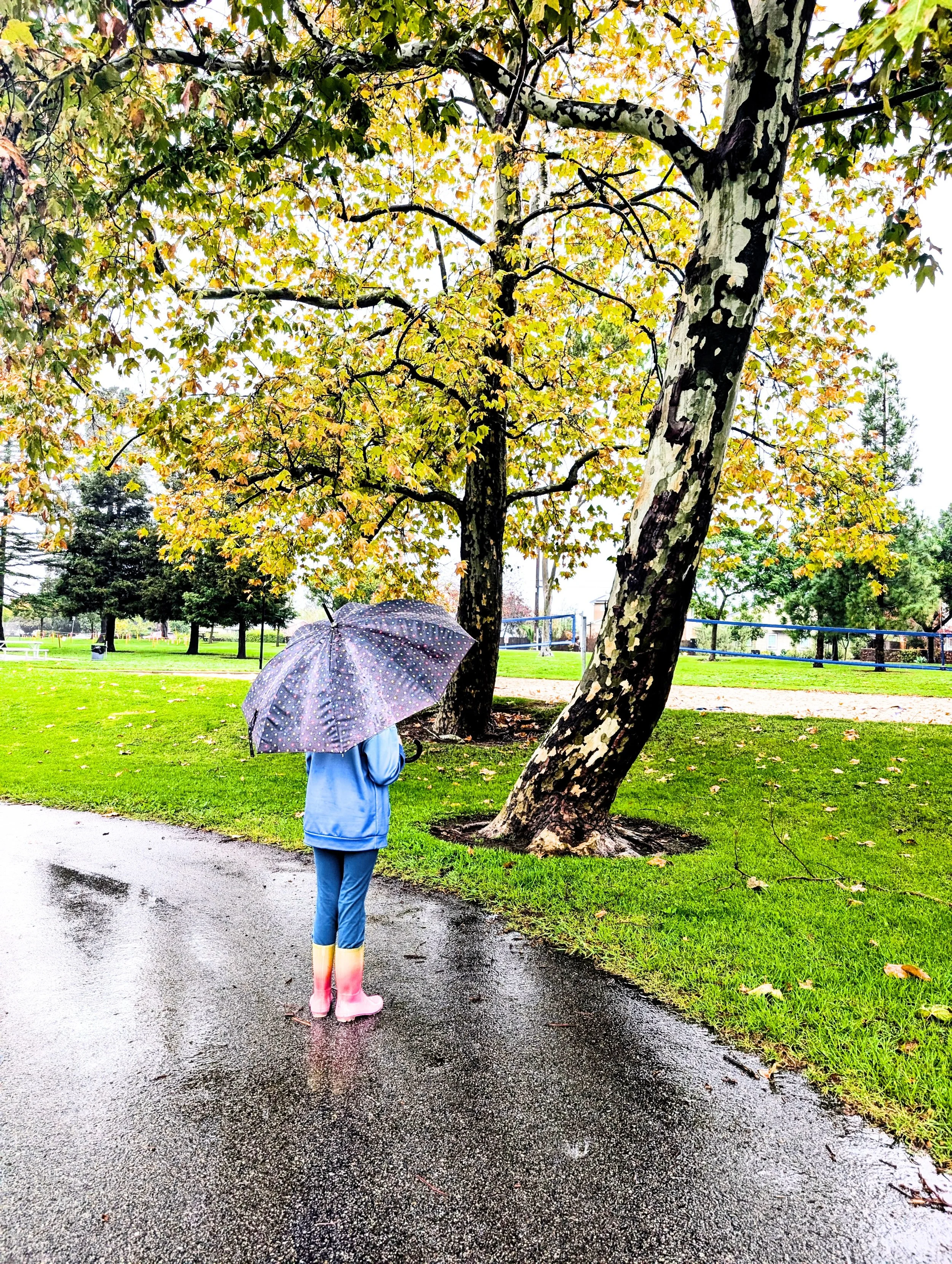
Rainy days inside and outside lately
There are moments in parenting that stop you in your tracks.
A casual comment overheard at school drop-off. A classroom that feels chaotic rather than held. The quiet realization that our children are growing up inside a social climate shaped by fear, anger, and fragmentation.
This post isn’t about fixing the world. It’s about how to stay in relationship with ourselves and our children when the social fabric feels frayed.
What follows is a reflection rooted in Gestalt therapy, nonviolent communication (NVC), and the slow, embodied mindfulness practices that guide Slow Moves Rox.
Naming the Experience (Before Explaining It)
Gestalt therapy is a holistic, experiential approach that focuses on present-moment awareness, the mind–body connection, and how we relate to ourselves, others, and our environment.
In Gestalt therapy, we begin with what is actually happening, not what we think should be happening.
When something unsettling occurs—like hearing a young child loudly shatter a shared childhood myth—it’s easy to jump straight to meaning:
“This is what the world has become.”
But beneath the story is the felt experience:
A rupture of innocence
A sense of lost communal care
Grief that children’s nervous systems are absorbing more than they should
This isn’t oversensitivity. It’s contact—the place where our inner world meets the outer world and finds it rough.
Before we analyze, fix, or explain, it helps to pause and ask:
Where do I feel this in my body?
Unfelt grief hardens into vigilance. Felt grief softens into clarity.
Field ≠ Fate: A Gestalt Reframe
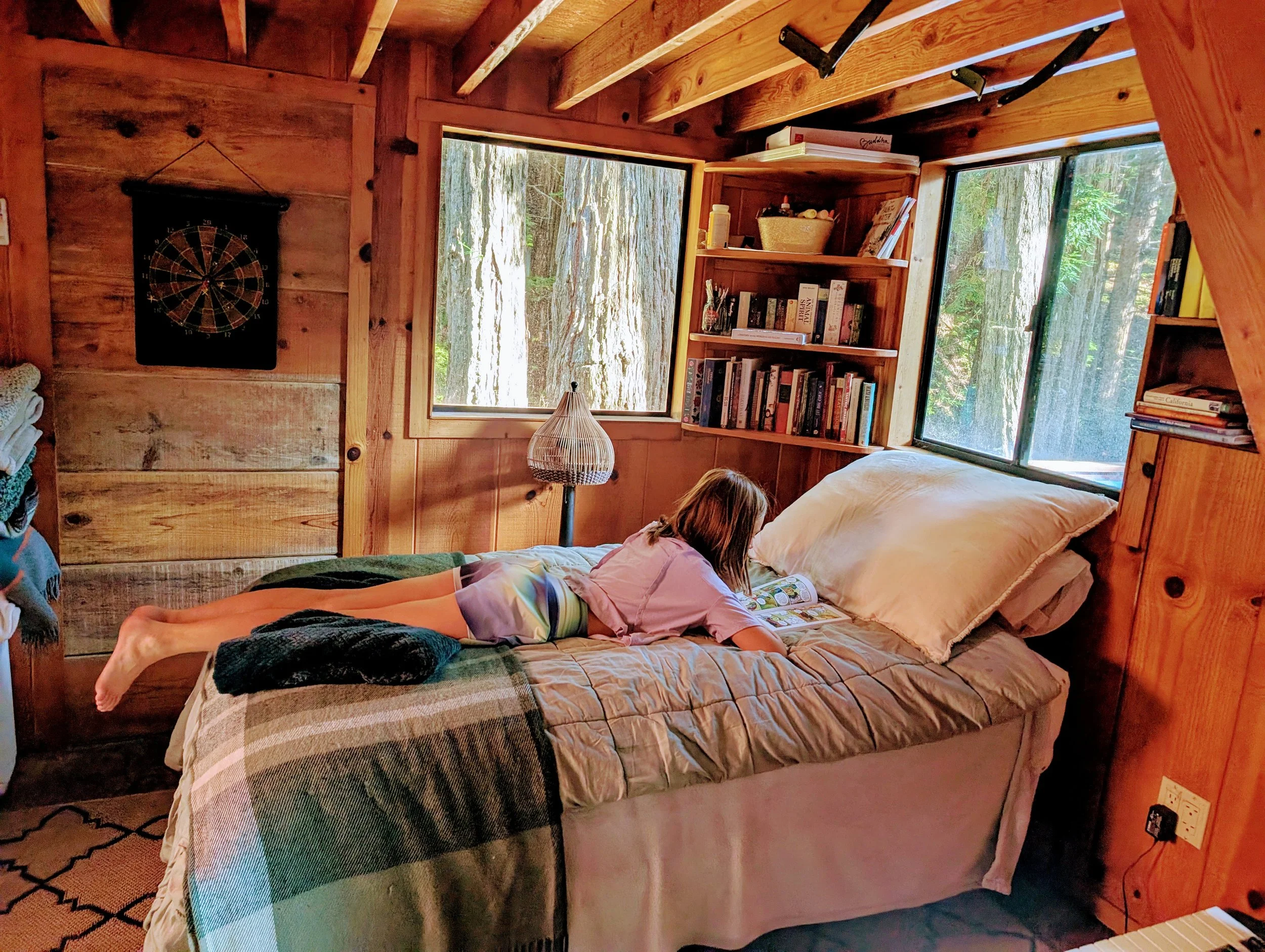
Peaceful moments help balance a less peaceful world
Gestalt therapy speaks of the field—the larger environment shaping our experience.
Yes, the cultural field right now is loud, polarized, and dysregulated.
But here is an essential distinction:
The field influences us, but it does not determine our fate.
Our children do not need a peaceful world. They need at least one regulated, truthful adult who can stay present without collapsing into despair or denial.
Your home, your tone, your rhythms, your rituals—these form a micro-field that matters deeply.
Protection vs. Presence
When the world feels chaotic, many parents instinctively want to protect their children.
But protection doesn’t mean shielding kids from all discomfort or hard truths.
In Gestalt terms, real support means helping children build clear, flexible contact boundaries—the ability to stay open without becoming overwhelmed.
This is where nonviolent communication (NVC) becomes invaluable.
Nonviolent communication is a framework for connecting with ourselves and others through honest observation, shared feelings and needs, and compassionate, non-blaming language.
Nonviolent Communication as Nervous System Care

We can help our kids find a clear path through challenging moments
NVC invites us to focus on:
Observation (what happened)
Feeling (what was felt)
Need (what matters underneath)
Request or choice (what we do next)
With kids, this can be very simple.
Instead of explaining the whole world, we might say:
“Some kids say things without thinking about how it lands. It makes sense if that felt confusing or sad.”
This teaches:
Emotional literacy
Self-trust
That not every rupture requires a dramatic response
It also models something radical in today’s culture:
We can name reality without attacking anyone.
Helping Kids Differentiate (Instead of Globalize)
One of the greatest stressors on both adults and children is globalization—the sense that one moment represents the whole world.
Gestalt therapy calls us back to figure and ground.
You might gently remind yourself and your child:
“That was one kid, one moment. Our family still gets to choose what we believe in and how we treat each other.”
This restores proportion. It teaches discernment without cynicism.
What Children Actually Learn From Us

An outdoor walk always helps us regulate and connect
Children learn less from what we say and more from how we regulate.
They watch us:
Disengage from things that feel harmful
Speak honestly without rage
Choose kindness deliberately
Repair when we get overwhelmed
This is how resilience is transmitted—not through toughness, but through embodied steadiness.
For the Parent Reading This
If you feel sadness about the state of the world, that sadness is not a failure of optimism.

Self regulation is a big example to live
It is an existential grief response.
You may be grieving:
Loss of shared values
Loss of communal holding
Loss of coherence
That grief doesn’t need fixing. It needs space, beauty, slowness, and places where your nervous system can rest.
This is where slow movement, time in nature, breath, and sensory grounding become acts of resistance.
Small Ways to Live Differently (Without Burning Out)
Shrink the field: limit how much cultural chaos you take in daily
Create micro-cultures: family, friendships, movement spaces that embody your values
Stay sensory: nature, touch, breath, rhythm
Allow joy and grief to coexist: don’t demand hope on a schedule
A Closing Reflection

Teaching our children how to navigate social chaos does not mean hardening them.
It means showing them:
You can stay kind, curious, and grounded—even when the world is loud.
You don’t have to do this perfectly. You only have to do it honestly.
That honesty—felt in the body, modeled in relationship, and lived slowly—becomes a permanent home they can return to.
Slow moves. Clear boundaries. Human contact.
— Roxy