
Mindful Strategies For Supporting Loved Ones During The Final Stage Of Life

We all seem to have our own ways of dealing with death, our own mortality, and that of those we love. What does death really look like? How can we best show up for it when it arrives in our lives, as it inevitably does?
I found myself asking these questions while my dad was dying recently. Before this experience, I had known death only in brief encounters. I’d seen a few loved ones near the end of their lives, and when I walked into the hospital and saw my dad—thin, confused, weak after months of decline—I recognized the signs. A part of me knew it was probably his time.
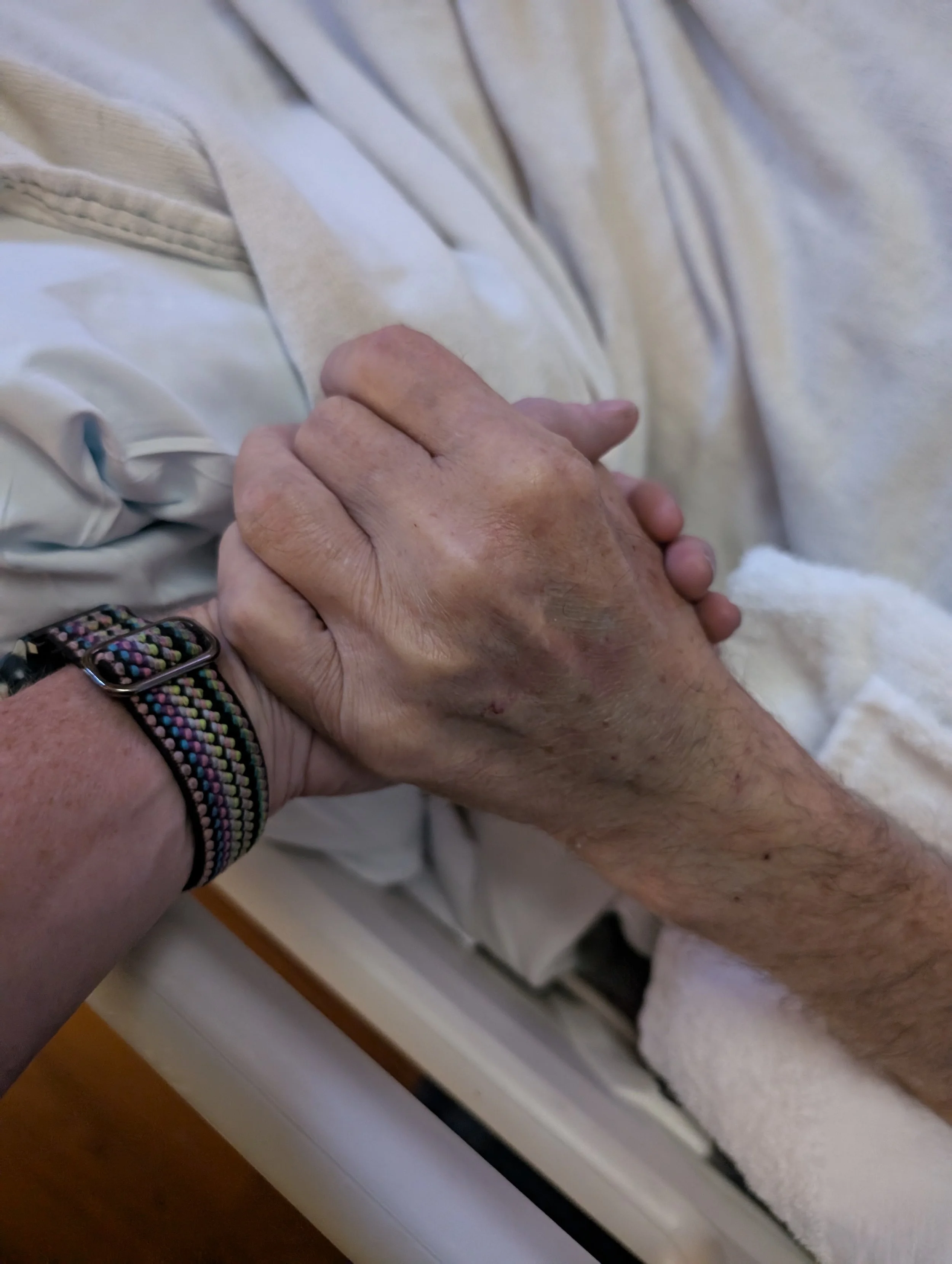
I have come to realize that we currently live in a culture that has become very fearful of death and we have lost much wisdom and traditions surrounding it. How can we be there for ourselves and our loved ones during such a tender time, if we are afraid of it? None of us are getting out of here alive, right? So, why avoid something that could be normal and dare I say it, beautiful, primal, biological, and messy, just like childbirth is? How can I bring mindfulness to myself and loved ones in the face of death?
One comparison that helped me make sense of what I was witnessing is how much childbirth mirrors the final days of life. Both require presence and calmness in what feels like chaos and pain. Both often unfold in hospital environments that are medically helpful but not particularly nurturing. Both involve a strange kind of waiting—you can’t rush the process, and you can’t avoid some of the discomfort. The best thing you can do in both is tap into intuition, listen deeply, and lean on your people.
If you are bearing witness to someone nearing death, the greatest gift you can bring is a calming presence. You can offer sips of fluid, light conversation, music, shared stories, or ask about final wishes. You can share updates from the medical team or simply sit with them in silence. You might find yourself trying to intuit their needs when they can’t express them clearly anymore. It is essential that your loved one has a health advocate by their side—especially in the final stages as the body is shutting down. I found that both birth and death place life’s basic needs front and center, and things like sleep, the outside world, and everyday concerns felt temporarily irrelevant. Just be steady, loving, and gentle in whatever ways feel appropriate. These are some of the most tender and vulnerable moments life offers.
The information below is what I received from the palliative care team supporting my family as my dad passed. I only had time to skim a few parts during the process, but what I read was comforting and grounding, so I’m sharing it here in case it helps someone else. These symptoms are part of the body’s natural preparation for the final stage of life. Not all will appear, and the timing varies. Dying, like living, is unique to each of us.
Hospice and palliative care teams can be extraordinary guides through this phase; I’m deeply grateful for their support.
Physical Changes in the Final Stage Of Life and Ways to Help
Decreased Weight, Energy, and Strength
As the body begins to decline toward death, it gradually conserves energy by slowing down physical functions. Weight loss often occurs as appetite fades and the body stops absorbing nutrients efficiently. Muscles weaken, leading to a noticeable drop in strength and mobility. Your loved one might stop being able to get up and down from sitting or might fall trying to use the bathroom. These changes are part of the body’s natural process of shutting down, shifting its focus from sustaining life to finding rest. Your loved one may need to be admitted to a hospital or care facility at this point.
Mottled skin
Skin may appear blotchy or mottled, especially on the upper body or ears. Legs may feel cool. Offer light blankets and gentle warmth.
Body temperature
Temperature may rise unexpectedly. Use light bedding, cool compresses, or sponge baths. My dad was warmer than usual on his final day, and we kept one light blanket on him.
Increased Sleep
Long periods of sleep and difficulty waking are common. Be present whether or not they appear alert. Do not shake them awake. Speak softly and assume they can hear you—hearing is often the last sense to fade. Singing calmed my dad, even though he teased me about my voice. Music played on my phone didn’t feel right; neither did reading aloud. A muted TV was what he preferred.
Nighttime Restlessness (Terminal Agitation)
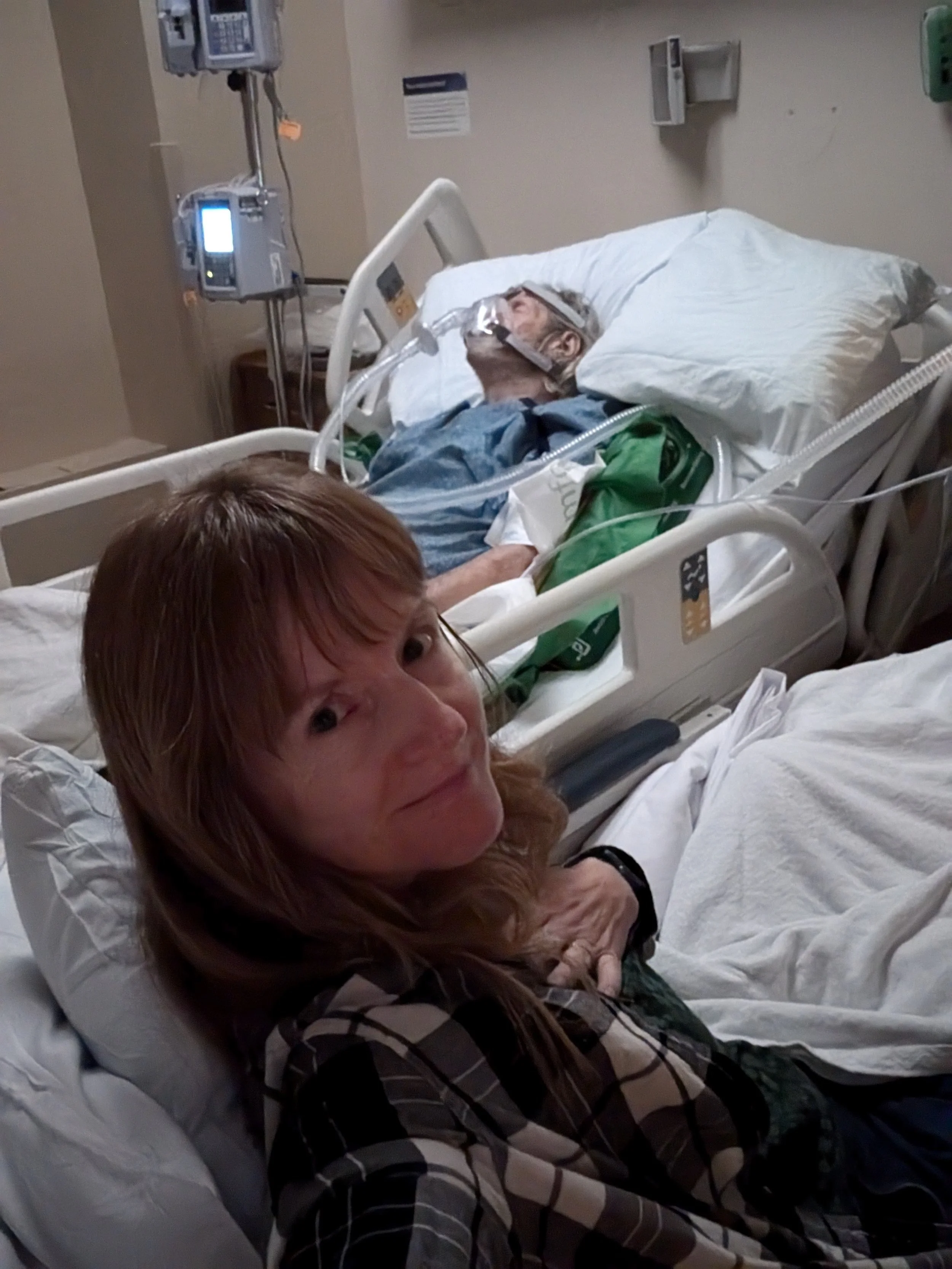
Agitation, confusion, or fidgeting may increase at night. Gently reorient them to who you are and why you’re there. Speak softly. Medications can help. My dad resisted the idea of being in pain, but palliative care recognized the signs and adjusted his meds. Several nights were very difficult; he kept removing his oxygen mask, causing dangerous drops in his oxygen levels. The staff kindly gave me a recliner so I could rest beside him.
Urinary Incontinence
Bladder and bowel changes are normal as the body shuts down. Disposable pads or catheters may be used for comfort.
Increased Congestion
Mucus may accumulate as coughing becomes less effective. Use swabs to moisten their mouth, turn their head gently, and elevate the bed. Medications may help.
Increased Restlessness
They may pick at linens or experience muscle twitching. Soothing touch, soft music, or simply being a quiet presence can help. Some prefer reduced stimulation—my dad wanted the TV off. Medications like Ativan may help. Foot and leg cramps can occur; gentle massage provided some relief for him.
Surge of Energy
A brief rally may occur: more appetite, alertness, or social interest. It can feel like a gift. My dad wanted to sit up and remove his oxygen mask. The nurse gently negotiated a compromise. I held him upright for a few minutes—an incredibly tender memory.
Decreased Appetite
Loss of appetite is expected as the body shuts down. Offer small sips or bites if desired. Don’t force food or fluids. Keep lips moist. My dad liked small sips of fountain soda.
Eye Changes
Vision may become unfocused or dull. Keep the room softly lit, eyes clear, and use drops if needed. My dad stopped wearing his glasses. Occasionally he woke and focused on me, and we could feel that it brought him comfort.
Voice Changes
Speech becomes faint or slurred. Ask simple yes/no questions. Moaning or crying may happen when moved. Giving pain medication an hour before repositioning can help. You never know when your last conversation will be. My dad and I talked—believe it or not—about who he preferred, John Cougar or Tom Petty. He “didn’t know,” but I think he preferred John Cougar.
Skin Breakdown
Skin can become fragile or red. Reposition every two hours, moisturize gently, and cushion rather than rub sensitive spots. The hospital staff were so kind in doing this for my dad.
Breathing Changes
Breathing may become shallow, rapid, irregular, or pause for 10–30 seconds. These changes can be unsettling but are normal as the heart, lungs, and circulation slow. Elevate the bed or reposition for comfort. These patterns often signal that death is near. I watched my dad take strong, jerky breaths for days; I didn’t notice the slowing until his doctor gently pointed it out.
In hindsight, my dad spent his final weeks at home in his recliner, dozing on and off. He went to the hospital when he could no longer stand. He died one week later from pneumonia on top of already compromised lungs, lung cancer, and emphysema. He hadn’t told anyone his cancer had returned, so the hospitalization came as a shock.

Emotional, Spiritual, and Mental Changes in the Final Stage
Unresponsiveness
Your loved one may appear withdrawn or in a coma-like state. Speak normally, identify yourself, and offer whatever words you need to say. I told my dad it was okay to go when he was ready, that we loved him, and that he was exactly the dad I needed.
Vision-Like Experiences
Seeing or speaking to deceased loved ones is common. Don’t correct or dismiss these experiences. Affirmation brings peace. My dad spoke as if his mother were still alive. My aunt reminded me to “just go with it.”
Repetitive or Restless Tasks
They may seem focused on something unresolved or unfinished. A hospice professional can help guide ways to help the person find release from the tension and fears and give assurances that it is ok to let go.
The Inner Circle
Toward the end, people often want only a few specific people with them. If you’re not among them, it doesn’t mean you weren’t important—it means your role may already be complete. If you are part of the final circle, it is an honor and a responsibility. The person needs your affirmation, support, and permission.
Out-of-Character Moments
They may say or request things out of character. Accept these moments as they are. Hold them, love them.
Holding On
Some people seem to hold on despite discomfort. Gentle reassurance that it’s okay to let go can help. My dad held on for his last hour. I wish I had said “it’s okay to go” even more.
Goodbye
When a loved one is ready, stay close. Speak softly. Hug, speak softly, say “I love you” or share happy memories. Crying is ok. Tears express your love and help you to let go.
Closing Reflections
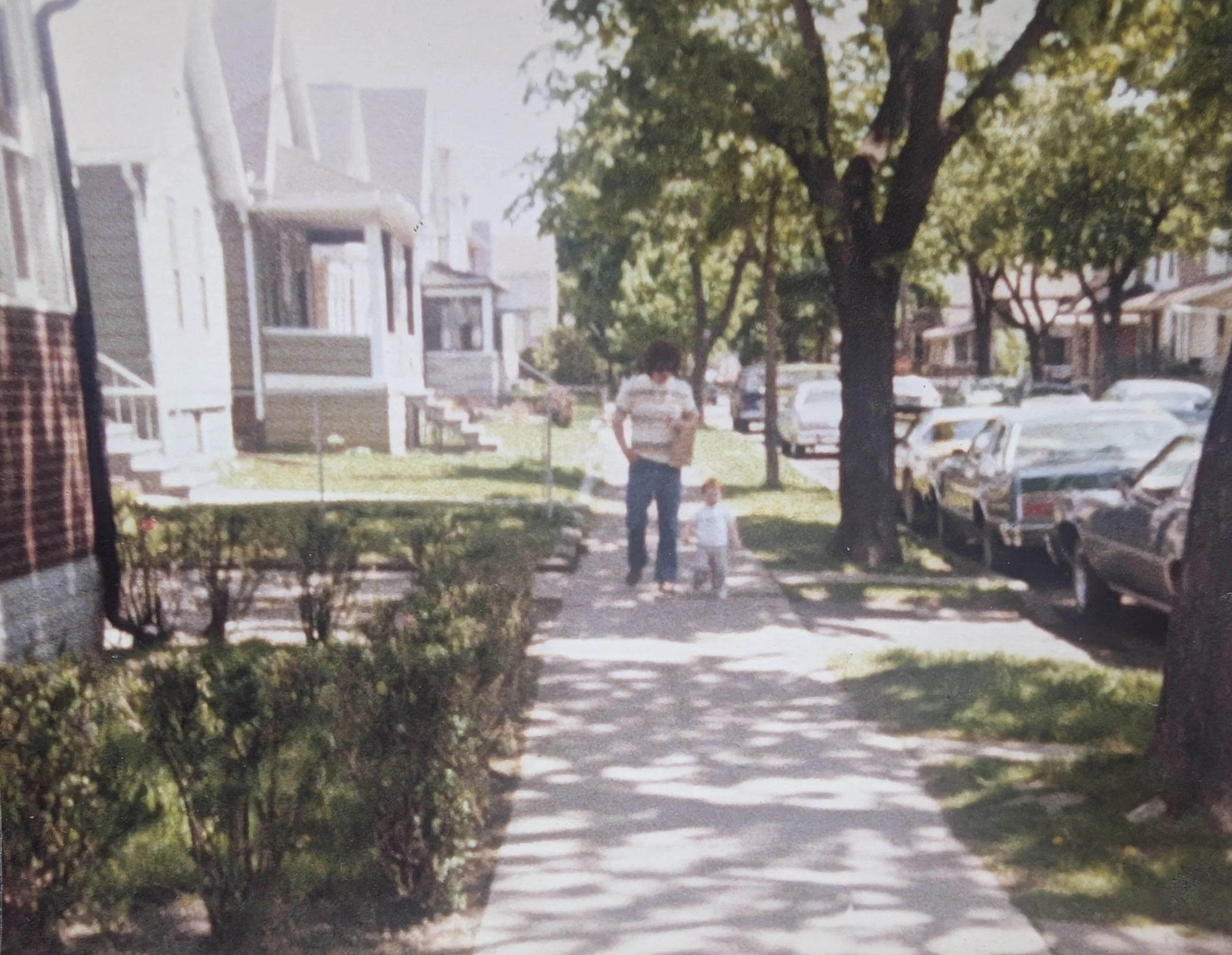
Be present. Be open. Look for small ways to comfort and bring peace. This stage is hard—full of unknowns, fears, and exhaustion. Get small pockets of rest and nurturing however you can. Being present for my dad, and supporting my brothers and family, was some of the hardest and most beautiful work of my life.
I was devastated for a week afterward and still struggle to function at times, even a month later. Endings hurt in every form. The feelings of unfairness and grief deserve their own space—perhaps that will come in another post.
But remember this:
Showing love and helping a loved one let go when it is their time is one of the greatest gifts we can offer.
If you found this helpful, you might enjoy these other posts on death and loss…