
Why Tracking Your Perimenopause Symptoms Is A Game-Changer
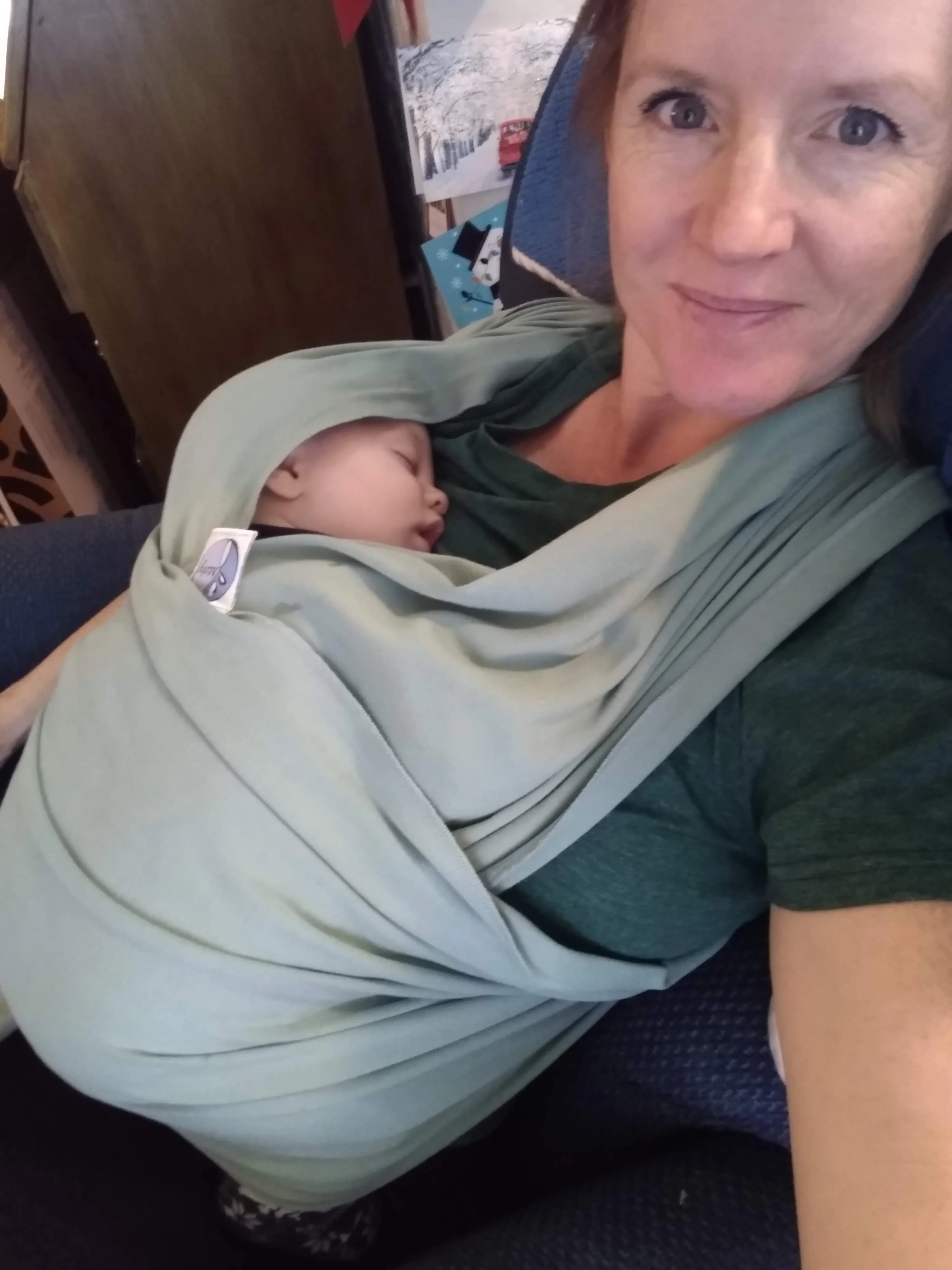
Perimenopause and my youngest babe arrived at the same time!
If you’re anything like me, perimenopause appeared out of nowhere. One day I was coasting through my early 40s, working hard and having fun, and the next I was taking care of a surprise covid baby and life basically seemed impossible. After the initial sleepless baby phase and emerging slowly from covid new mom life, I was still wide awake at 3 AM with night sweats, exhausted, heavier than I’d ever been, and wondering I felt like such a trainwreck. I was working out & eating well, why wasn’t I recovering from baby #2 / covid / insert stuck feelings here? Sound familiar?
Perimenopause is a natural transition, but let’s be honest—it can feel anything but natural when you aren’t sleeping, are operating on fumes, and are navigating unpredictable cycles, mood shifts, and an entirely new phase of hormonal and physical life. I was able to mitigate many of my symptoms of perimenopause, at first, with a renewed dedication to living a healthy lifestyle. Healing my blood sugar issues as much as I could was super helpful. But eventually, 5 years in, that stopped working too and I just kept feeling worse and worse. I started reading all the books and tracking my symptoms more methodically and realized I was suffering more than I realized. It was time to talk to my doctor more seriously about Menopause Hormone Therapy (MHT). I couldn’t help but create my own Perimenopause Symptom Tracker to help me better understand what was going on with me and why shouldn’t I share it with you to help us bring clarity, validation, and strategy to this phase of life.
Hormone therapy has come so far and there are a lot of women living out loud about menopause treatment right now on social media. If you or someone you love is in this transition phase of life, start doing some reading and research so you can understand what is going on. Some symptoms are normal, but a high symptom load isn’t and you don’t have to suffer unnecessarily. I was reluctant to try hormone supplementation myself, I wanted to let my body do it’s thing, but my body was struggling, and so was I, in every sense of the word. In the end, I decided it was worth trying. I took birth control pills for almost 20 years of my life, why wouldn’t I be open to less suffering with hormones now during perimenopause and beyond? I greatly appreciate Dr. Mary Claire Haver’s approach in helping me understand what’s going on, and what my options are.
Why Tracking Matters

Here is my simple symptom tracker in all it’s google spreadsheet beauty
Perimenopause isn’t linear. One month you might feel like yourself again, and the next, your body’s in chaos. By tracking your symptoms, you can:
Spot patterns tied to your cycle, lifestyle, stress, or sleep
Identify triggers (hello sugar crashes or skipped workouts)
Have clear, detailed conversations with your doctor or menopause specialist
Feel empowered instead of confused
You can track symptoms more informally in a paper journal, a free form text app on your phone, a google doc or spreadsheet (I love my google docs). It’s not about obsessing—it’s about noticing. That’s where true mindful movement begins: by listening.
Inspired by Experts, Designed for Real Life
In her book The New Menopause and her platform The Pause Life, Dr. Mary Claire Haver emphasizes the importance of data and intentionality during this transition. She advocates for women to become the CEO of their own health—to track what’s happening, speak up, and make informed choices about hormone therapy, nutrition, and movement.
I’ve woven those principles into the tracker I designed. It’s simple, intuitive, and tailored to women like us—who move with intention, who crave clarity, and who want to feel good in our bodies again.
What's Inside the Free Tracker
A daily log for physical, emotional, and cognitive symptoms
A daily symptom total to help you understand how impacted you really are
Reflect on sleep, movement, mood, and menstrual patterns
You can print it or use it digitally—whatever fits your lifestyle.
Download the Free Tracker
Click below to download the free Perimenopause Symptom Tracker and start tuning in to what your body’s trying to tell you. This isn’t about fixing or fighting—it’s about flowing with this chapter of your life.
Whether you’re considering hormone therapy, trying to eat and move in sync with your hormones, or just looking for a little more grace in the mess of midlife, tracking could be the first mindful step.
Let’s keep moving—slowly, intentionally, and together.
—Roxy