
Cultivating True Happiness

You are here. You are now.
What do we mean when we say “true happiness”? In the Buddhist tradition, happiness is not something to be chased, earned, or postponed. It is something that can be cultivated—gently, intentionally, and right where we are. Thích Nhất Hạnh often described true happiness as the capacity to be at peace with what is present, rather than the constant striving for what is missing.
True happiness is not dependent on perfect circumstances. It arises from awareness, compassion, ethical living, and the understanding that our well-being is deeply connected to the well-being of others and the Earth.
This perspective invites us to slow down and ask a different question—not “How can I get happier?” but “What conditions am I already creating for happiness or suffering?”
Why Cultivating True Happiness Matters

In a culture that often equates happiness with productivity, consumption, or external success, it’s easy to feel perpetually behind or off. We may achieve goals yet still feel restless, disconnected, or dissatisfied.
Cultivating true happiness matters because it:
Helps us step out of chronic striving and comparison
Supports emotional resilience during uncertainty or change
Encourages ethical choices that reduce harm to ourselves and others
Strengthens our capacity for presence, connection, and gratitude
Creates inner conditions for peace that ripple outward into our families and communities
Rather than being a fleeting emotion, true happiness becomes a way of relating to life.
5 Practical Mindfulness Practices to Cultivate True Happiness (This Week)
These practices are inspired by Buddhist mindfulness teachings and are meant to be simple, accessible, and lived—not perfected.
1. Practice “Enough-ness” Once a Day
Once each day, pause and silently name something that is already enough.
Examples:
This breath is enough.
This meal is enough.
This moment is enough.
This practice gently retrains the mind away from scarcity and toward contentment.
2. Mindful Consumption Check-In
Before consuming something—food, media, conversation, or even information—pause and ask:
Will this nourish me, or am I trying to escape discomfort?
This is not about restriction, but awareness. Over time, mindful consumption supports deeper satisfaction and less regret.
3. Touch the Present Moment Through the Body
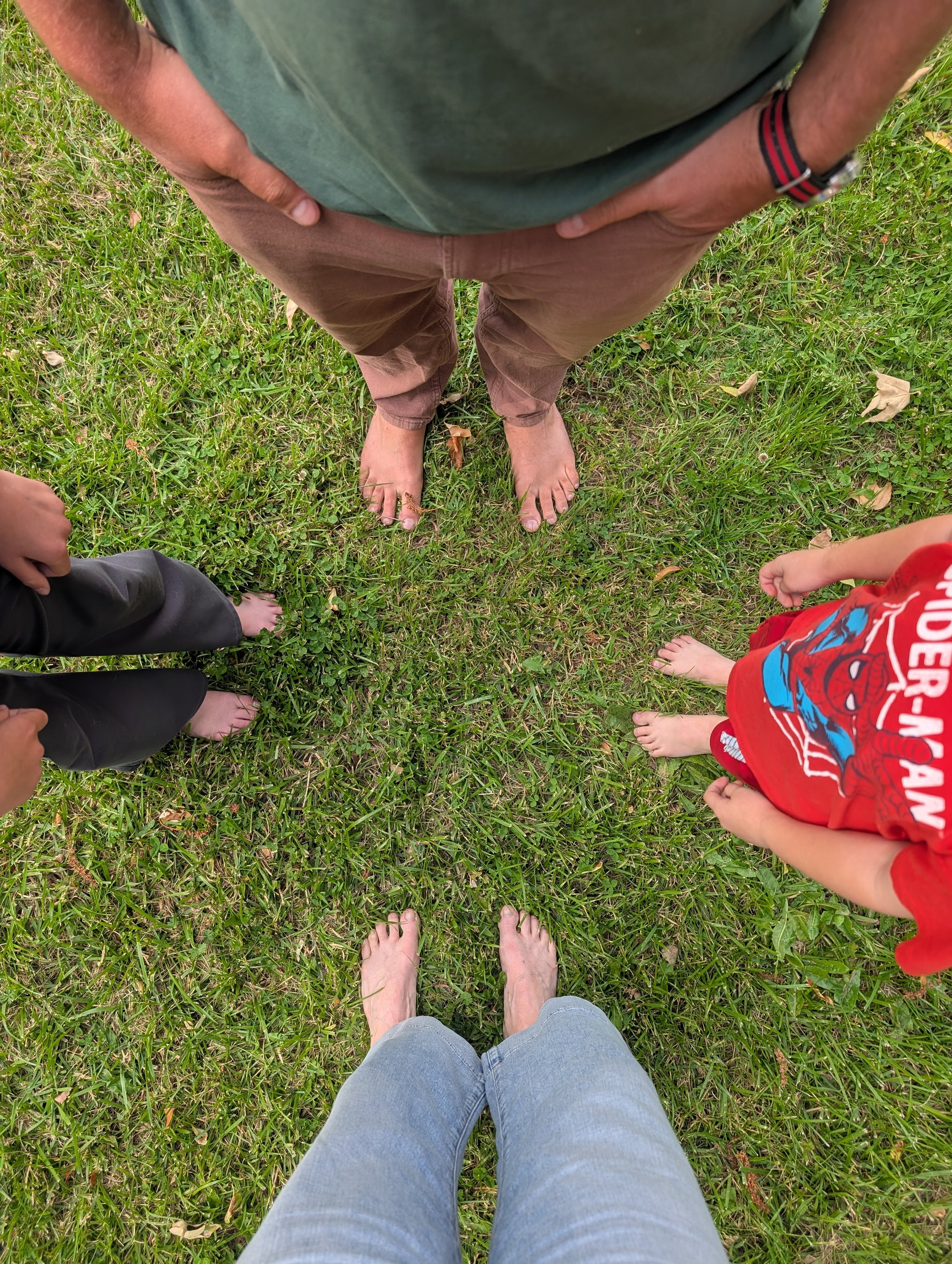
True happiness lives in the present, and the body is our fastest doorway there.
Try one of the following:
Take 5 slow breaths, feeling your feet on the ground
Stretch or move gently for 3–5 minutes
Place a hand on your heart or belly and notice sensation
No fixing—just noticing.
4. Practice Non-Comparing
Comparison quietly erodes happiness. When you notice comparison arising, try this phrase:
Their path is not my path. This moment is mine.
Return attention to what is actually happening in your own life right now.
5. End the Day with Gratitude for Effort, Not Outcome
Before sleep, name one way you showed care, effort, or awareness today—regardless of how things turned out.
This reinforces that happiness is rooted in how we live, not just what we achieve.
Personal Reflection

Lately, I’ve been struggling to cultivate happiness as I navigate a season of emotional unsettledness. My work life has shifted in a significant way, and much of the time it feels unfamiliar and disorienting. I’m spending more time with my family now—which is a true gift—but it asks for a different kind of stamina, patience, and presence. I find myself carrying concern about bullying, kid chaos, and the emotional safety of my children’s school environment. These worries have deepened my commitment to bring mindfulness into every interaction—with my kids, their peers, and their wider community—so we can remember that we don’t have to pass our pain and frustration on to one another.
The Five Mindfulness Trainings Overview

At Plum Village Monastery, the Five Mindfulness Trainings are offered as a modern, accessible expression of Buddhist ethics. Rather than rules, they are commitments that help create the conditions for true happiness—for ourselves and for the world.
In essence, they guide us to:
Cultivate compassion and reverence for life
Practice generosity and non-exploitation
Engage in mindful, responsible relationships
Use loving speech and deep listening
Practice mindful consumption and nourishment
Each training reminds us that happiness cannot be separated from how we treat others, our bodies, and the planet. When our actions align with care and awareness, peace becomes more available.
The following contemplations are inspired by the Five Mindfulness Trainings, originally written by Zen Master Thích Nhất Hạnh, and shared with me by the monastics at Plum Village Deer Park whom I recently practiced meditation with at the YMCA Estes Park in Colorado, USA. I am committed to practicing & reciting the Five Mindfulness Trainings in community once per month and sharing them here on my blog home.
As you read each of the contemplations on true happiness, pause after each sentence and take 1-3 deep breaths and connect with how these statements might connect with you on a personal level.
Second Mindfulness Training (Practice): True Happiness

Happiness seems easier to touch when in nature
Aware of the suffering caused by exploitation, social injustice, stealing, and oppression, I am committed to practicing generosity in my thinking, speaking, and acting.
I am determined not to steal and not to possess anything that should belong to others; and I will share my time, energy, and material resources with those who are in need.
I will practice looking deeply to see that the happiness and suffering of others are not separate from my own happiness and suffering; that true happiness is not possible without understanding and compassion; that running after wealth, fame, power, and sensual pleasures can bring much suffering and despair.
I am aware that happiness depends on my mental attitude and not on external conditions, and that I can live happily in the present moment simply by remembering that I already have more than enough conditions to be happy.
I am committed to practicing Right Livelihood so that I can help reduce the suffering of living beings on Earth and stop contributing to climate change.
Going Deeper: Resources for Practice

If this way of understanding happiness resonates, here are a few gentle entry points:
Book: Happiness: Essential Mindfulness Practices by Thích Nhất Hạnh
Book: The Heart of the Buddha’s Teaching by Thích Nhất Hạnh
Website: Plum Village Mindfulness Practice Center (teachings, guided meditations, and the full Five Mindfulness Trainings)
Quote to Sit With:
“There is no way to happiness—happiness is the way.” — Thích Nhất Hạnh
Closing Reflection
Cultivating true happiness is not about becoming someone new. It is about remembering what is already available when we slow down, live ethically, and care deeply.
Happiness, in this sense, is not a destination—but a practice we return to, again and again, with tenderness.
Bonus Heart Sutra Chant
During our recent sangha and recitation of the 5 mindfulness trainings we listed to this beautiful heart sutra chant while meditating. Perhaps you will enjoy.
Thanks for joining me on the path.