
Relieve Suffering With Loving Speech and Deep Listening
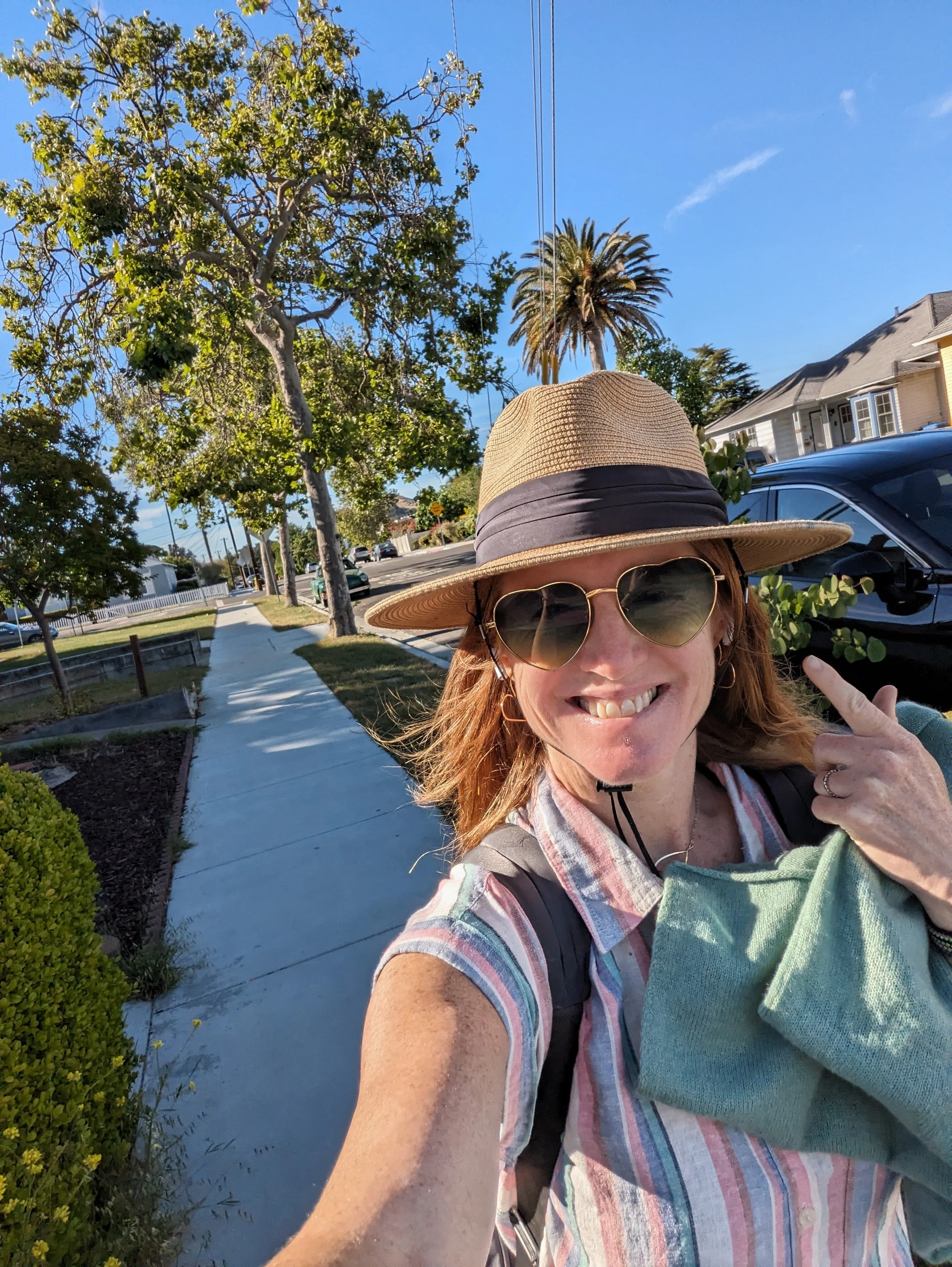
Me walking and listening to nourishing podcasts on my way to work
The word suffering can feel a little dramatic, but the truth is—we all experience it in some form. Sometimes it’s the sting of a careless word, the ache of not being seen, or just the relentlessness of daily life. Pain sneaks its way into our days.
But here’s the hopeful part: sometimes the medicine we need is already within us. It shows up in how we choose to speak, and in how we choose to listen - things we do every single day. We have a billion chances to begin again in this way.
This practice is beautifully rooted in the Fourth Mindfulness Training of Plum Village, as taught by Zen Master Thich Nhat Hanh. The teaching is simple yet profound: speak in ways that inspire joy, hope, and reconciliation—and listen in ways that relieve suffering.
“Deep listening is the kind of listening that can help relieve the suffering of another person. You can call it compassionate listening. You listen with only one purpose: to help him or her to empty his heart.”
— Thich Nhat Hanh
Loving Speech: Words That Heal
Loving speech means choosing words and vibes that don’t wound. It’s not about sugarcoating or avoiding hard conversations or uncomfortable moments. It’s about speaking with care, clarity, and intention.
Sometimes it sounds like:
“I see how hard you’re trying.”
“That sounds really difficult.”
“I’m here if you want to talk more.”
“It sounds like you’re stressed about something.”
It can also mean softening your tone, pausing before reacting, or saying less but meaning more. Like a good stretch or a deep breath, loving speech creates space—space where healing or understanding might enter.
Deep Listening: More Than Just Hearing
To really listen is to offer your full presence. That’s rare these days, with distractions tugging at us constantly. Deep listening isn’t about fixing, solving, or comparing—it’s about witnessing. And being truly witnessed can feel like a balm.
Try this:
Take a breath before responding.
Let the other person finish without jumping in.
Let silence linger.
Nod, soften your face, maybe even reflect back what you heard.
It’s simple, but surprisingly powerful.
Why This Matters
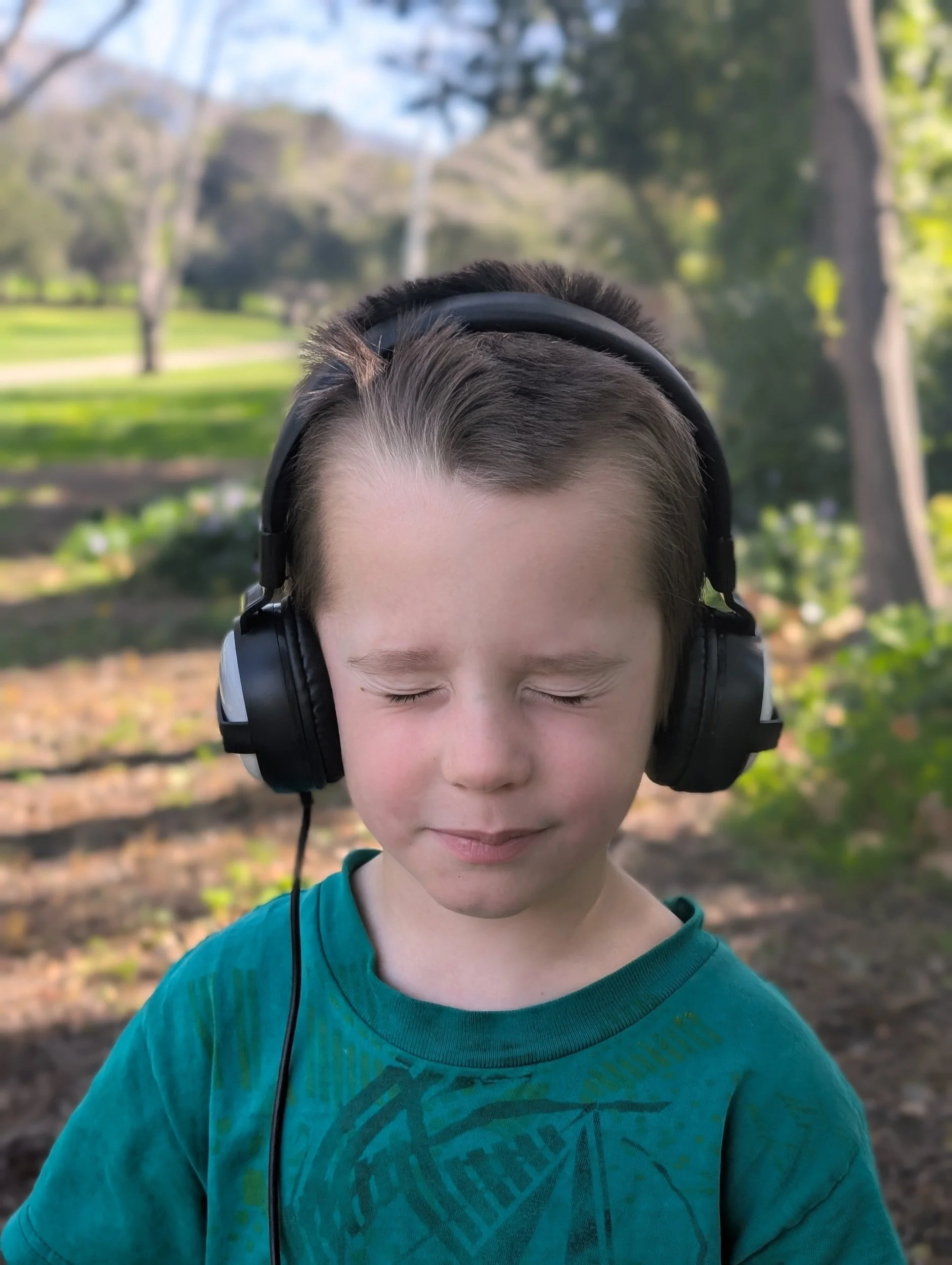
My boy is sloooowly learning how to listen and speak with kindness
These practices aren’t just about communication—they’re about connection. They remind us to slow down, to lead with compassion instead of reactivity. In a world that often feels rushed and divided, they create little ripples of calm, kindness, and belonging.
When we carry mindfulness into our conversations—not just onto the yoga mat or walking trail—we create those ripples. And ripples of compassion ease suffering, for us and for those around us.
A Simple Practice to Try This Week
Before responding, pause and breathe. Ask yourself: Is what I’m about to say both helpful and true?
Offer someone your full attention for five undistracted minutes.
In a tough conversation, start with observations instead of judgments.
A Personal Note
I’ve been especially drawn to this practice lately. A couple of recent interactions left me feeling… sucker punched, honestly. Words and vibes can land heavy, even when we try to brush them off. I found myself wondering: am I too sensitive? Or maybe the other person was just speaking from their own pain.
Either way, I kept circling back to this: I can’t control what others say, but I can choose how I respond. My hope is to lighten my own grip, speak truth without harshness, and practice deep listening even when I feel rattled.
That’s why I’m dedicating this month to exploring loving speech and deep listening more deeply—and sharing what I learn here with you.
Fourth Mindfulness Training (Practice): Loving Speech and Deep Listening
The following contemplations are inspired by the “Five Mindfulness Trainings,” originally written by Zen Master Thich Nhat Hanh, and shared with me by the monastics at Plum Village Deer Park whom I recently practiced meditation with at the YMCA Estes Park in Colorado, USA. I am committed to practicing & reciting the Five Mindfulness Trainings in community once per month and sharing them here on my blog home.
Here’s a gentle distillation of the Fourth Mindfulness Training. I invite you to pause after each sentence, take a few breaths, and notice how the words land for you:

Aware of the suffering caused by unmindful speech and the inability to listen to others, I am committed to cultivating loving speech and compassionate listening in order to relieve suffering and to promote reconciliation and peace in myself and among other people, ethnic and religious groups, and nations.
Knowing that words can create happiness or suffering, I am committed to speaking truthfully using words that inspire confidence, joy, and hope.
When anger (difficult emotions, despair, hurt, confusion) is manifesting in me, I am determined not to speak. I will practice mindful breathing and walking in order to recognize and to look deeply into my anger. I know that the roots of anger can be found in my wrong (distorted) perceptions and lack of understanding of the suffering in myself and in the other person. I will speak and listen in a way that can help myself and the other person to transform suffering and see the way out of difficult situations.
I am determined not to spread news that I do not know to be certain and not to utter words that can cause division or discord.
I will practice Right Diligence to nourish my capacity for understanding, love, joy, and inclusiveness, and gradually transform anger, violence, and fear that lie deep in my consciousness.
*I will speak with responsibility, separating observation from evaluation, and choose words that foster clear and empathic communication.
Want To Dig Deeper?
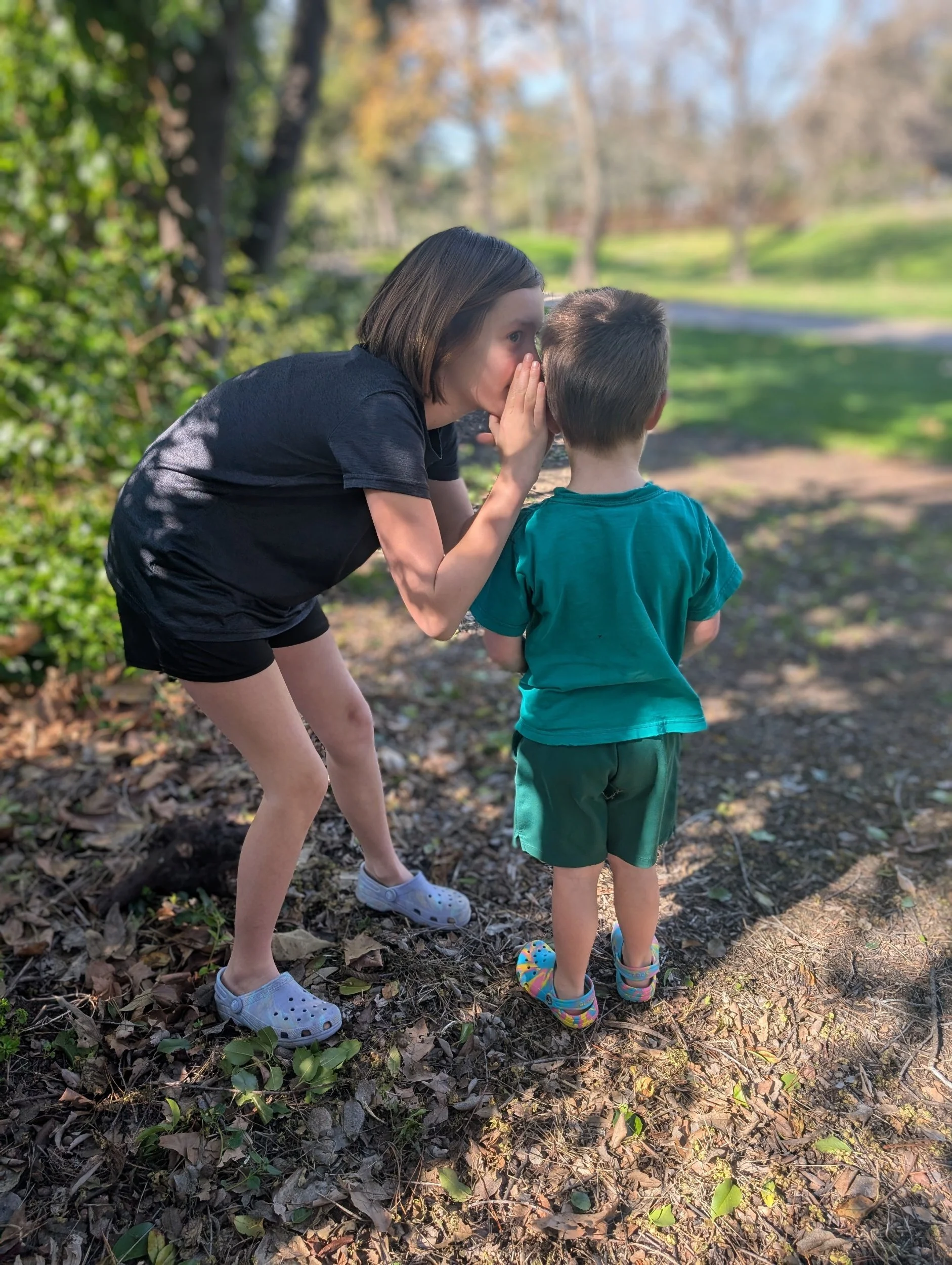
One book that has helped me enormously with this practice is Nonviolent Communication by Marshall Rosenberg. If you’d like more tools for kinder, clearer conversations, I highly recommend it.
✨ Here’s the heart of it: when we practice loving speech and deep listening, we’re not just being “nice.” We’re building bridges. We’re tending relationships. We’re creating a little more space for healing—in ourselves and in the people we love. We’re leaving the world a little better than we found it.
Roxy